Add Row
Add Element
Icon of a newspaper on a transparent background for SEO purposes
update
Thrive Daily News
update
Add Element
  • Home
  • Categories
    • Confidence & Self-Image Corner
    • Anti-Aging & Longevity Zone
    • Whole Body Health & Energy
    • AI News & Trends
    • Total Health Dentistry Corner
    • Reputation Spotlight
April 27.2025
3 Minutes Read

Can I Get Dental Implants Without Bone Grafting? Insights for Your Smile

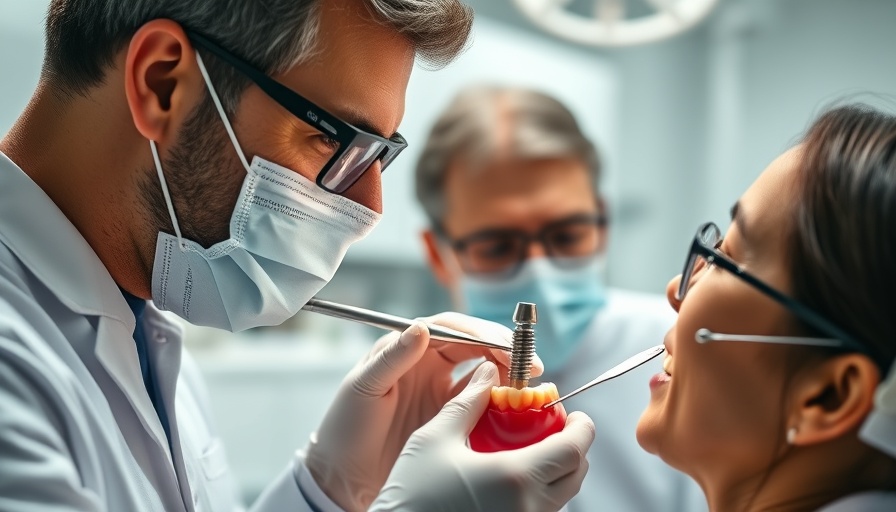
Dental professionals examining implant, highlighting dental implants without bone grafting.

Understanding Dental Implants and Bone Grafting

If you're considering dental implants, you might be wondering, "Can I get implants without bone grafting?" This question reflects a common concern as many potential patients fear the need for additional surgical procedures. Fortunately, the answer may not be a straightforward 'no.' In some cases, it's possible to receive implants without the need for extensive bone grafting, depending on individual circumstances.

The Basics of Bone Grafting Explained

Bone grafting is often employed to reinforce areas of the jaw where bone density is insufficient to support dental implants. This technique involves transplanting bone tissue to promote new bone growth. However, not every case requires this extra step. Factors such as the quality of your existing bone and the type of implant used can influence whether grafting is necessary.

Exploring Alternatives to Bone Grafting

If you have moderate bone loss, you might benefit from alternative techniques such as mini dental implants. These smaller implants can be used in cases where the bone structure is limited. Additionally, advances in implant technology, such as zygomatic implants, can sometimes offer solutions for those with insufficient jawbone, allowing for immediate function without the grafting process.

The Importance of Individual Assessment

Your journey begins with a thorough evaluation by a dental professional. They will conduct imaging tests and examinations to determine your bone health and suitability for implants. Through this assessment, they can tailor a treatment plan that might involve avoiding grafts if your bone can adequately support the implant. It's crucial not to skip this step, as individual anatomy plays a significant role in the outcome.

Costs and Considerations

Many patients weigh the financial implications of bone grafting against the potential benefits. While grafting can add to the total procedure cost, it may also enhance future dental health and stability. When discussing your options with your dentist, they should provide a clear breakdown of costs so you can make an informed decision.

Success Rates: A Hopeful Outlook

The success rates of dental implants without grafting can be quite encouraging. Research shows that when suitable conditions are present, dental implants can achieve a success rate of over 95%, even without prior grafting. Factors such as the patient's oral hygiene and lifestyle will also contribute to the longevity and effectiveness of the implants.

Personal Stories: Real-Life Experiences

Take it from John, a 38-year-old who opted for dental implants without grafting. "My dentist told me about mini implants, and I’m glad he did. It saved me from a complicated procedure!" His experience exemplifies how technological advances in dentistry can provide options that fit individual needs and preferences.

The Future of Dental Implants

As with many fields of medicine, the dental industry is continually evolving. Innovations like 3D printing are starting to revolutionize how we approach implants and grafting. Future treatments may offer faster recovery times and customized solutions tailored even more closely to individual anatomical requirements.

Making Your Decision

If you’re pondering if dental implants are for you and whether bone grafting will be a part of your journey, remember to consult with qualified professionals. Their expertise can guide you to optimal solutions, paving the way for a confident smile.

Your Smile Matters! Taking the first step by seeking information could lead to improved health and enhanced confidence. Isn’t it time to have a smile you’re proud of?

Total Health Dentistry Corner

0 Comments

Write A Comment

*
*
Related Posts All Posts
02.20.2026

Explore Holistic Solutions to Relieve Tooth Sensitivity Naturally

Update Understanding Sensitive Teeth and Their Causes Tooth sensitivity can be more than just an annoying inconvenience. As Dr. Bruce Vafa points out, millions of people dread indulging in hot coffee or cold ice cream due to the sharp twinges of pain that accompany these simple pleasures. But understanding the root cause is crucial. Our teeth are protected by a hard layer called enamel, but when that enamel wears down or our gums recede, the inner dentin becomes exposed. This dentin, with its microscopic tubules, connects directly to the nerve of the tooth, leading to sensitivity. So, before you reach for that desensitizing toothpaste, consider the holistic approach: why is your enamel wearing down? The Role of Nutrition in Dental Health Often, sensitivity can be linked to inflammation or nutritional deficiencies rather than simple wear and tear. Improving your diet is a powerful tool in combating sensitive teeth. For instance, calcium alone isn't sufficient; you need vitamin K2 to guide calcium into your bones and teeth, vitamin D3 to absorb calcium properly, and vitamin A to keep your gums healthy. Foods rich in these nutrients, paired with alkaline-forming vegetables, can promote remineralization of your teeth. Dr. Vafa mentions that replacing acidic foods with leafy greens and nuts can help reshape your dental health. Managing Acidity for Healthier Teeth The pH level in your mouth plays a significant role in your dental health. When your mouth is too acidic, it can strip minerals away from your teeth, exacerbating the problem of sensitivity. By limiting sugary snacks and processed foods, you can lower acidity and create a healthier environment for your teeth. Staying hydrated is also essential; water not only supports salivary function, which helps neutralize acid but also keeps minerals around your teeth. Natural Remedies to Soothe Tooth Sensitivity There are numerous natural remedies to alleviate tooth sensitivity without resorting to harsh chemicals. Oil pulling with coconut oil, for instance, has gained popularity as it reduces bacterial load and may soothe inflamed gums. Similarly, saltwater rinses provide inflammation reduction and help balance the pH in your mouth. Moreover, other remedies, like clove oil or green tea rinses, can be beneficial as they contain natural antiseptic properties, reducing pain and inflammation. It's essential to find what works best for your unique situation. Home remedies like these align with the holistic perspective, which focuses on whole-body health and wellness. Preventive Measures: Your Daily Care Routine To maintain healthy teeth and minimize sensitivity, you should implement effective daily oral care routines. This includes using a soft-bristled toothbrush to avoid damaging both teeth and gums, regular flossing, and ensuring you visit your dentist for periodic check-ups. Avoiding known triggers, like acidic and overly sugary foods, can significantly decrease sensitivity and enhance overall dental health. Conclusion: Finding Balance for Healthy Teeth Tooth sensitivity is a common problem but understanding its causes allows you to manage it effectively. By adopting a holistic approach that combines nutrition, proper oral hygiene, natural remedies, and regular dental visits, you can significantly reduce discomfort and strengthen your smile. It’s not just about treating the symptoms; it’s about nurturing your body as a whole for lasting dental health.

02.17.2026

The Ins and Outs of Ceramic Implants Recovery: Everything You Need to Know

Update Your Journey to a New Smile: Understanding Ceramic Implant Recovery Ceramic implants are becoming a preferred choice for those seeking a metal-free solution to restore their smiles effectively. Dr. Bruce Vafa from Holistic Smile Care emphasizes how ceramic implants, particularly zirconia variants, offer a biocompatible and aesthetically pleasing option. But as many potential patients wonder, what does the recovery process really entail? This guide breaks down the recovery journey following ceramic implant surgery into manageable stages, helping you prepare for this life-changing procedure. Why Recovery Matters: The Science Behind Healing Understanding the healing process, or osseointegration, is crucial for anyone receiving ceramic implants. Unlike a mere filling, dental implants involve your body’s biological response to integrate a new implant into the jawbone. Zirconia implants create minimal inflammation compared to traditional metals, meaning patients generally experience less discomfort. However, as Dr. Vafa points out, it’s vital to respect your body’s healing timeline to ensure the longevity of your new implant. What to Expect in the First 24 Hours The first day post-surgery can be nerve-wracking for any patient, but by paying attention to a few key areas, it can be managed effectively: Control Bleeding: Minor bleeding may occur after the procedure, which can usually be managed by biting down gently on gauze pads. Manage Swelling: Applying ice packs (15 minutes on, 15 minutes off) can significantly help reduce swelling. Rest: Rest is paramount. Avoid strenuous activities for at least 48 hours post-surgery to allow your body to heal. Expect some tenderness as anesthesia wears off, a normal part of the process. Luckily, patients find the zirconia material provides a clean healing environment without the metallic taste some experience with titanium. The First Week: Gaining Momentum By the end of the first week, most patients note a significant reduction in discomfort. However, it's important to stay disciplined. While you might feel good, your bone still requires time to heal. Here are some tips for this critical period: Pain Management: Over-the-counter medications like Ibuprofen usually suffice for any lingering pain. Oral Hygiene: Keeping the surgical area clean is vital. A prescribed antimicrobial mouth rinse will help in this effort. Nourishment: Your diet should shift to soft foods. Think smoothies, mashed potatoes, and yogurt! Being mindful of hygiene and nutrition will play a crucial role in your recovery success. Beyond the First Week: Long-Term Recovery Tips Understanding the broader context of recovery will help set you up for lasting success: Osseointegration Stage: Expect your implant to fully bond with your jawbone, which can take several months. During this time, avoid hard or crunchy foods that could disrupt the healing process. Follow-Up Care: Regular check-ups with your dentist ensure that your healing is on track and that your implant is stable. Listen to Your Body: If you experience increased pain or swelling post first week, don't hesitate to contact your dentist. Successful recovery from ceramic implants requires patience and diligence, but the end result is often a new level of confidence in one’s smile. Addressing Patient Concerns: Is It Painful? Many potential patients express concern about the pain associated with dental implant surgery. Fortunately, advancements in anesthesia techniques have made the procedure itself far less painful. Post-surgery, most patients report mild soreness similar to that of a routine dental extraction, which fades within a few days and is manageable with medication. Final Thoughts: Your Path to Renewed Confidence Recovering from ceramic implants is not just a waiting game but an active partnership with your body, your dental provider, and your dedication to follow-through. So if you’re on the fence about this transformative dental option, ask yourself: Are you ready to take a leap into your future of dental confidence?

02.15.2026

Discover the Best Holistic Toothpaste Ingredients to Choose Wisely

Update Why Choosing the Right Toothpaste Matters When it comes to dental health, many of us focus solely on brushing techniques and regular dentist visits, but there's something that deserves our attention—our toothpaste. As I discovered in conversations with numerous patients, the ingredients in toothpaste can have far-reaching implications for our oral health and overall well-being. Just like a good diet contributes to our physical health, the right toothpaste can nurture our teeth and gums, fostering a better oral microbiome and minimizing exposure to harmful chemicals. The Science of Absorption: What Goes In Must Come Out Our mouths are remarkably absorbent, and the lining of the mouth (the oral mucosa) allows various substances to enter our bloodstream. This is why selecting a high-quality natural toothpaste is not simply about getting fresh breath—it's a foundational aspect of maintaining a non-toxic lifestyle. With the rise of the natural care movement—projected to exceed $25 billion by 2025—it's clear that people are becoming more discerning about what goes into their bodies. We no longer want to just trust the labels; we want to read them! The Golden Ingredients: What to Look For Based on extensive research and insights from holistic dentistry experts, the following ingredients have earned their place as the gold standard in natural toothpastes: Nano-Hydroxyapatite (n-Ha): This phenomenal ingredient is akin to the very structure of our teeth, filling microscopic tubules in enamel and naturally reducing sensitivity. It's a powerful alternative to fluoride, filling in lost minerals from the inside out. Xylitol: Used as a natural sweetener, xylitol is a game-changer in dental care. It actively starves the harmful bacteria that cause cavities while stimulating saliva production—nature's best cleaning agent. Aloe Vera: Commonly associated with soothing sunburns, aloe also shines in the dental world. Its anti-inflammatory properties make it ideal for soothing irritated gums and promoting overall gum health. Which Ingredients to Avoid: Navigating Toxins While finding the right ingredients is vital, steering clear of harmful components is equally important. Certain ingredients found in popular commercial toothpaste can pose significant health risks: Fluoride: Once hailed as a cavity fighter, its potential neurotoxic effects have led many consumers to search for fluoride-free options. Studies have linked fluoride exposure to developmental issues in children and increased risks of various diseases. Sodium Lauryl Sulfate (SLS): This common foaming agent is suspected to disrupt hormones and may particularly affect those with sensitive systems. Triclosan: Often found in antibacterial products, triclosan is known to disturb the oral microbiome and has been linked to antibiotic resistance. The Movement Toward Holistic Dental Care Switching to holistic oral care is not just about avoiding toxins; it embraces a comprehensive view of health. By choosing toothpaste that nurtures rather than fights our microbiome, we create a healthier environment not only in our mouth but throughout the body. Clinical studies are increasingly showing that many natural ingredients perform on par with conventional products, if not better, leading the way for a safer approach to oral hygiene. Making Informed Choices: Your Personalized Path Ultimately, selecting the right toothpaste involves understanding your unique needs and ingredient sensitivities. Popular mixtures might contain ingredients beneficial for some but not for others. As you explore options, don't hesitate to consider making your own toothpaste if necessary. Online resources provide plenty of recipes that can be tweaked to suit your preferences without sacrificing efficacy! Your Takeaway: Empower Yourself! With the information at your fingertips, the next time you browse your local store, you’ll not only know what to look for but also what ingredients to dodge. Your toothpaste can serve as a proactive tool in maintaining a healthy smile and body. After all, a bright smile begins with our choices! Keep striving for an informed and wholesome lifestyle, one brush at a time. Call to Action: Interested in taking the next step towards a holistic dental care routine? Book an appointment to discuss personalized oral health strategies that work for you!

Terms of Service

Privacy Policy

Core Modal Title

Sorry, no results found

You Might Find These Articles Interesting

T
Please Check Your Email
We Will Be Following Up Shortly
*
*
*