 Add Row
  Add
Add 


Are you curious about which tooth replacement option offers the best long-term benefits: dental implants vs dentures? Many people face this dilemma when considering how to restore their smile and oral function after tooth loss. This comprehensive guide delves into the pros, cons, and technological advances of each method, featuring expert insights from Dr. Joshua Deuel of Great Lakes Oral Surgery. By understanding these differences, you can make an informed choice that enhances your quality of life and oral health.
Introduction: Why Compare Dental Implants vs Dentures?
Explore the key differences between dental implants and traditional dentures
Understand how each option impacts tooth replacement, oral hygiene, and bone density
Learn from Dr. Joshua Deuel, oral and maxillofacial surgeon, about clinical advantages and patient outcomes
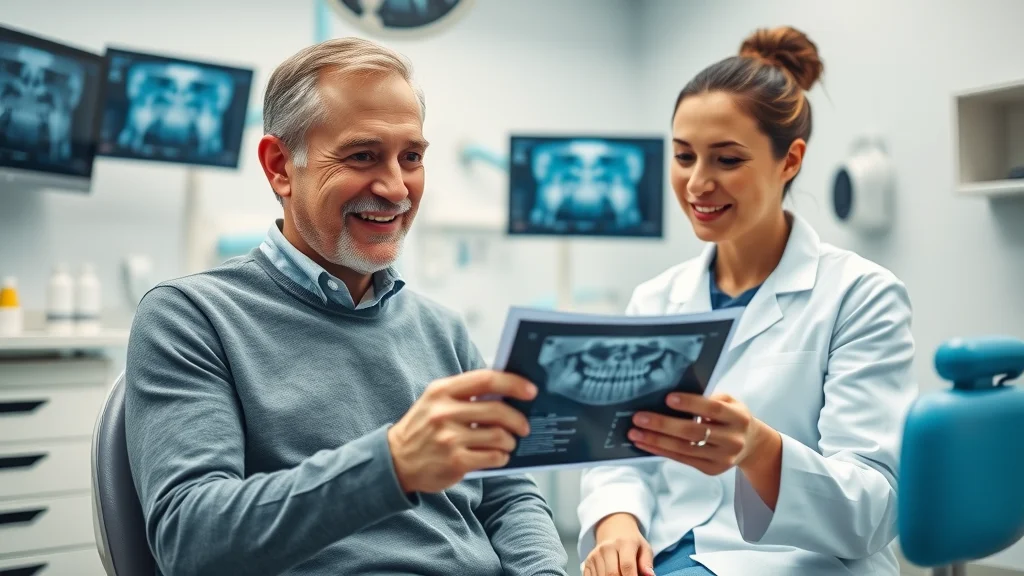
Overview of Dental Implants and Traditional Dentures
What Are Dental Implants and How Do They Work?
Dental implants are titanium fixtures surgically placed into the jawbone to act as artificial tooth roots. Once integrated with the bone, implants provide a sturdy foundation for crowns, bridges, or implant-supported dentures. This anchoring system closely mimics natural teeth, allowing patients to regain normal chewing function and aesthetics. Dr. Joshua Deuel explains, “Dental implants provide an anchor for dentures to snap into, eliminating movement and allowing patients to chew naturally.”
These implants stimulate the underlying bone, preventing the resorption that commonly occurs after tooth loss. This preservation of bone density helps maintain facial structure and supports better oral health over time. For those missing multiple teeth or entire arches, implants can support a full arch prosthesis offering greater stability than traditional dentures.
Understanding Traditional Dentures and Their Limitations
Traditional dentures are removable prosthetics that sit on top of the gums and replace missing teeth. While they are a popular and cost-effective tooth replacement option, dentures rely on suction, adhesives, and the shape of the gums for retention. This often leads to movement during eating and speaking, especially for lower dentures which lack suction from the palate.
This instability can diminish chewing ability, making it difficult to eat certain foods and impacting nutrition. Additionally, the pressure exerted by dentures on the gums and underlying bone accelerates bone loss, leading to changes in facial appearance and requiring periodic denture adjustments or replacement every five to seven years.
Dr. Joshua Deuel, of his Ann Arbor practice, explains, "Dental implants provide an anchor for dentures to snap into, eliminating movement and allowing patients to chew naturally."
Pros and Cons of Dental Implants vs Dentures
Pros and Cons of Dental Implants
Pros |
Cons |
|---|---|
Preserves bone density |
Higher upfront cost |
Permanent and stable |
May require additional procedures |
Natural look and feel |
Not suitable for all patients |
Improved oral hygiene with proper care |
Longer treatment time |
Pros and Cons of Traditional Dentures
Pros |
Cons |
|---|---|
Lower initial cost |
Can move and slip during use |
Removable and simple maintenance |
May cause bone loss over time |
Shorter treatment time |
Eating and speaking difficulties |
Can last 5-7 years with adjustments |
Less natural feel |
Functionality: How Dental Implants Improve Quality of Life Compared to Dentures
Enhanced Chewing and Speaking with Implant-Supported Dentures
Dental implants drastically improve the stability of dentures. Without implants, dentures rest on gums and tend to slip, causing frustration and embarrassment when eating or speaking. Implant-supported dentures anchor securely, reducing the risk of movement. This enhanced retention allows patients to chew a wider variety of foods confidently, improving nutrition and enjoyment of meals.
As Dr. Joshua Deuel notes, “With implants providing an anchor for dentures, patients experience much more natural speaking and eating functions. The removal of the palate portion in upper implant-supported dentures also improves taste and speech comfort significantly.” Patients frequently report a restoration of confidence in social settings thanks to these functional improvements.

Impact on Bone Density and Oral Health
One of the most significant advantages of dental implants over traditional dentures is their positive impact on bone preservation. Implants stimulate the jawbone similarly to natural tooth roots, slowing the bone loss process that often follows tooth extraction.
In contrast, traditional dentures press on gums and underlying bone without stimulating it, accelerating bone deterioration. This can lead to changes in facial appearance and complicate denture fitting over time. Dr. Deuel emphasizes, “Implants slow down bone loss caused by traditional dentures pressing on gums and bone, preserving facial structure and oral health.”
Technological Advances in Dental Implants
Digital Planning and 3D Surgical Guides
Recent advances in digital technology have revolutionized dental implant surgery. Three-dimensional scanning and computer-aided design enable surgeons to plan implant placement with remarkable precision before any actual procedure occurs. This innovation improves surgical accuracy and helps customize treatment to the patient’s unique anatomy.
Furthermore, patient-specific 3D surgical guides are created to direct implant placement during surgery, reducing operative time and improving outcomes. Dr. Joshua Deuel highlights, “Digital scanning and patient-specific surgical guides have revolutionized implant placement accuracy and patient outcomes.” This technology also allows patients to visualize their post-treatment results, making the process more transparent and reassuring.
Improved Implant Design and Materials
Beyond digital planning, implant design and surface materials have evolved to enhance osseointegration (bone integration) and longevity. Modern implants feature advanced surface textures that encourage bone cells to grow and adhere effectively, reducing healing time and increasing success rates. Material innovations also improve biocompatibility and reduce complications.
These developments have made implants a more predictable and durable tooth replacement option, contributing to their increased popularity among patients seeking stable, natural-feeling solutions.
Dr. Joshua Deuel notes, "Digital scanning and patient-specific surgical guides have revolutionized implant placement accuracy and patient outcomes."
Cost Considerations: Dental Implants vs Dentures
Initial Investment and Long-Term Value
Dental implants typically require a higher initial financial investment compared to traditional dentures. For a full-arch implant-supported denture, patients usually need at least four implants per jaw, which can be costly upfront. Dr. Joshua Deuel explains, “It’s almost like investing in a new car — the initial cost is significant, but the value in improved function and life quality often outweighs the expense.”
Conversely, dentures are more affordable initially, making them a commonly chosen option, especially when budgets are limited. However, dentures may incur additional costs over time due to adjustments, relining sessions, and eventual replacements every few years.
Comparing Costs and Quality of Life Benefits
While the upfront costs of dental implants are higher, their durability and functional advantages offer exceptional long-term value. Implants preserve bone and reduce the need for future oral surgeries related to bone loss, potentially saving money and discomfort in the future. The dramatic improvement in eating ability and confidence often makes the investment worthwhile for many patients.
Patients should consider their lifestyle, dietary preferences, oral health goals, and budget when deciding on tooth replacement. Consulting a trusted oral surgeon can help clarify which option matches their needs best.
Longevity and Maintenance of Dental Implants vs Traditional Dentures
Expected Lifespan of Dental Implants
Dental implants boast high success rates, often reported between 96% and 97% over a 10-year period. They are designed to last decades when properly cared for, with some implants functioning well beyond 20 or 30 years.
Though implant-supported dentures are a more recent advancement, ongoing studies confirm their reliability. As Dr. Joshua Deuel highlights, implants don’t suddenly fail after a decade; instead, longevity depends on patient hygiene and routine dental check-ups, much like natural teeth.
Durability and Replacement Needs of Dentures
Traditional dentures generally have a functional lifespan of five to seven years, though this varies based on bone and gum changes. They often require periodic relining or adjustments for comfort and fit. Bone resorption beneath dentures can lead to ill-fitting prosthetics, necessitating replacements or additional procedures to restore proper function.
Oral Hygiene Practices for Implant Care
Caring for dental implants involves daily oral hygiene routines somewhat similar to natural teeth, including brushing, flossing, and specialized cleaning around the implants. Implant-supported dentures also require removal and professional cleaning at least once a year to maintain gum health and prevent peri-implantitis (inflammation around the implant).
Patient Success Stories: Real-Life Impact of Dental Implants
Dr. Deuel shares, "Patients often are brought to tears seeing their transformation from struggling with dentures to confidently enjoying meals and social life with implants."
Many patients experience a profound life change after receiving dental implants. From limiting food choices and feeling self-conscious to enjoying social events and eating freely again, the psychological and physical benefits are immense. Patients often describe renewed confidence and normalcy, highlighting how implants transform their day-to-day lives beyond just dental health.
People Also Ask (FAQs) About Dental Implants vs Dentures
Why would a dentist not recommend an implant?
A dentist might not recommend implants if a patient has insufficient bone density, uncontrolled medical conditions, or habits like heavy smoking that impair healing. Some patients may also prefer less invasive, lower-cost options like dentures.
What is the downside of dental implants?
Downsides can include higher upfront cost, longer treatment time including surgery and healing, and potential need for additional procedures like bone grafting.
What is the average cost of a dental implant in Michigan?
The average cost ranges between $3,000 to $5,000 per implant, varying based on specific treatment needs and clinic pricing.
What is the price difference between dentures and implants?
Traditional dentures typically cost a few hundred to a couple thousand dollars, while a full set of implant-supported dentures can range from $20,000 to $50,000 depending on the number of implants and restorations.
Key Takeaways: Making an Informed Choice Between Dental Implants and Dentures
Dental implants offer superior function, aesthetics, and bone preservation compared to traditional dentures
Technological advances have improved implant accuracy and patient satisfaction
Higher upfront costs of implants are balanced by long-term benefits and quality of life improvements
Proper oral hygiene and maintenance are essential for implant longevity
Consultation with an oral surgeon like Dr. Joshua Deuel can help determine the best option based on individual needs
Conclusion: Choosing the Right Tooth Replacement Option for You
Evaluate your lifestyle, budget, and oral health goals
Consider the pros and cons of dental implants vs dentures carefully
Seek expert advice to ensure optimal outcomes and satisfaction
Take the Next Step: Consult with a Dental Implant Specialist Today
Contact Dr. Joshua Deuel practice in Ann Arbor, Michigan for a personalized evaluation
Explore treatment options tailored to your needs
Improve your oral health and quality of life with expert care
Sources: https://www.greatlakesoralsurgery.com/, Interview with Dr. Joshua Deuel, Great Lakes Oral Surgery


Write A Comment