Add Row
Add Element
Icon of a newspaper on a transparent background for SEO purposes
update
Thrive Daily News
update
Add Element
  • Home
  • Categories
    • Confidence & Self-Image Corner
    • Anti-Aging & Longevity Zone
    • Whole Body Health & Energy
    • AI News & Trends
    • Total Health Dentistry Corner
    • Reputation Spotlight
July 17.2025
4 Minutes Read

How AI's New Tasting and Sensory Technologies Are Changing Everything

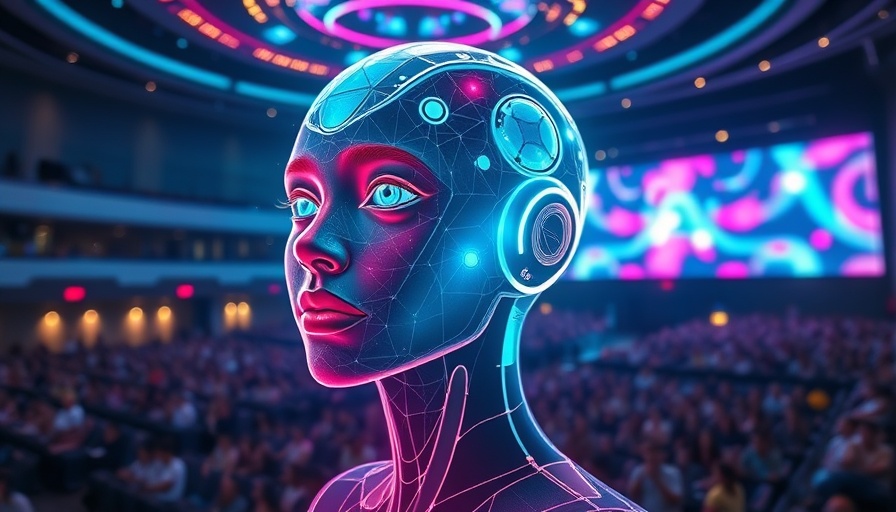
AI tasting technology presentation showcasing futuristic AI concept.

AI's New Sensory Powers: A Leap into the Unknown

As artificial intelligence continues to evolve at a breakneck pace, we find ourselves grappling with technologies that not only think but also sense the world in ways previously unimagined. From Google's advancements in photographic AI to groundbreaking innovations like the graphene tongue that can taste, it's clear we are on the verge of an extraordinary transformation. This surge is stirring both excitement and trepidation, highlighting the dual-edged nature of such rapid technological advancement.

In 'AI Can Now Taste and Feel and It’s Freaking People Out', the discussion dives into groundbreaking advancements in AI sensory technologies, exploring key insights that sparked deeper analysis on our end.

The Taste of the Future: Graphene's Role

The graphene tongue, impressively achieving up to 98.5% accuracy in flavor recognition, represents a thrilling yet challenging frontier in AI innovation. By cleverly harnessing nanotechnology, researchers have crafted a sensor that utilizes graphene oxide to detect molecular interactions much like human taste buds. This development could revolutionize various fields—think food safety inspections or medical diagnostics—raising profound questions about the ethical implications of machines experiencing the world in sensory terms. Will there come a day when machines not only enhance our culinary experiences but also dictate them?

The Implications of AI-Enhanced Sensory Technology

As we explore technologies capable of 'tasting' and 'feeling,' the implications extend beyond mere novelty. For instance, applications for the graphene tongue could include rapid flavor testing for food safety or real-time adjustments in cooking to achieve desired taste profiles. Such advancements challenge traditional understandings of taste and flavor, paving the way for an AI-integrated culinary landscape. However, these innovations also prompt crucial debates about the essence of human sensory experiences—what does it mean to taste or feel when machines can replicate these actions?

Google and the Evolution of AI Tools

In parallel to these sensory advancements, Google is refining its AI systems, promising a more integrated and enriched user experience through AI tools. The upcoming overhaul of Google Photos showcases how AI can blend still images with video, creating immersive content effortlessly. As this technology comes online, we see a future where creating visual narratives could become as intuitive as snapping a photo, reshaping our engagement with digital media.

Future Predictions: What Lies Ahead?

Looking towards the horizon, the integration of taste and sensory feedback into AI capabilities could lead us to unprecedented applications in multiple industries, from healthcare to food production. Imagine AI-driven quality control processes that ensure optimal product flavor and safety or virtual chefs capable of mimicking gourmet techniques. However, as these technologies progress, the ethical considerations surrounding machine perception demand careful examination, especially regarding their potential to influence human behavior and choices.

The Role of Major Players in AI Development

With tech giants like Meta investing heavily in AI infrastructure—including their ambitious AI superclusters—we should consider how these developments might alter the technological landscape. Zuckerberg’s commitment to building the foundational architectures necessary for superintelligent systems signals a competitive race that emphasizes control over not just technical capabilities, but also the ethical frameworks guiding their development. This begs the question: will the pursuit of superintelligent machines prioritize innovation over accountability?

Human versus Machine: The Taste Debate

The ongoing advancement of sensory AI naturally leads us to question the distinctions between human and machine experiences. As computers gain more sophisticated means of understanding and interpreting sensory information, the line between human and machine blurs. Where do we—the consumers—stand in an era where machines can not only learn from preferences but also actively participate in decision-making processes regarding taste and flavor? The cultural implications of machines in this realm could redefine the culinary arts and our relationships with food.

In Closing: The Path Forward

As we witness advancements in AI's capacity to taste and feel, it becomes imperative to engage in dialogues about the future of these technologies and their impact on our daily lives. The graphene tongue and Google’s AI innovations exemplify the dizzying possibilities yet to come—but they also unveil the responsibilities we hold in shaping this brave new world. If we are to fully harness these capabilities without compromising our values, a thoughtful examination of both the benefits and challenges posed by this technology will be essential. The excitement lies not just in what AI can do today but in what it will invariably do tomorrow. Are you ready to embrace the future of AI? Join the conversation and share your thoughts.

AI News & Trends

0 Comments

Write A Comment

*
*
Please complete the captcha to submit your comment.
Related Posts All Posts
02.28.2026

How to Effectively Manage HR Without a Dedicated Department in the AI Era

Update Navigating HR Challenges in the Age of AI and Innovation As businesses evolve, especially small and medium-sized enterprises (SMEs), the role of human resources (HR) is undergoing a revolutionary transformation. This shift is primarily driven by advancements in technology and artificial intelligence, which offer innovative ways to manage employee relations without a traditional HR department. For many owners and operators, the complexity of maintaining effective HR functions amidst limited budgets can be daunting. Nevertheless, understanding and adapting to these changes can pave the way for tremendous growth. Rethinking Traditional HR: The Rise of Alternative Strategies The old paradigm of HR management is swiftly becoming obsolete. Companies are waking up to the realization that they can still thrive without a dedicated HR department by integrating technology and outsourcing essential HR functions. An emphasis on cost-efficiency and flexibility allows businesses to manage HR activities through innovative methods that meet employee needs while keeping operations smooth. Outsourcing HR functions is one such strategy. By collaborating with external HR specialists, companies can access tailored payroll, benefits, and compliance services, mitigating the administrative burden on in-house staff. This ensures that essential HR functions remain operational despite limited internal resources, which can be critically beneficial for growing organizations. Embracing Technology: Key Tools for Modern HR Management Today's businesses must leverage advanced HR software solutions to tackle various tasks efficiently. Features like automated attendance tracking, onboarding processes, and performance evaluations eliminate manual input and reduce administrative errors. Moreover, self-service employee portals empower staff to handle their requests autonomously. For instance, through the integration of platforms designed for benefits management like Health Reimbursement Arrangements (HRAs), businesses can streamline the complexities associated with employee benefits while ensuring compliance with ever-evolving regulations. Benefits Management: The Heart of HR Benefits are a vital compass guiding employee satisfaction and retention. Any company wishing to foster a motivated workforce must prioritize establishing a robust benefits management strategy, especially if it lacks an internal HR team. Research indicates that competitive employee benefits can noticeably influence worker morale and overall productivity. However, with the intricacies involved in managing benefits – from compliance with employment laws to addressing diverse employee needs – businesses often need external support. Forming alliances with experts in outsourced benefits management can simplify these complexities and ensure compliance. Such partnerships can help offer employees the reassurance of an effective benefits program that adapts to changing workforce demands. The Importance of company culture in A Non-HR Environment Company culture holds unparalleled significance in the absence of an HR department. Establishing a positive and inclusive environment can increase employee loyalty, productivity, and morale. Leaders should promote open communication channels, ensuring feedback loops are established within their organizations. By nurturing a sense of belonging and celebrating individual and team achievements, companies not only boost their transmission of organizational values but also manifest a culture where employees feel valued – a pivotal factor for employee engagement. Strategies for Small Businesses to Cultivate HR Functions Small businesses can adopt several strategic initiatives to address their HR requirements effectively. For instance, they should invest in employee development, creating opportunities for upskilling and reskilling. Providing training programs or workshops enables employees to reach their career aspirations within the organization, essentially creating a pipeline for talent retention. Additionally, establishing clear conflict resolution mechanisms and policies ensures that employees feel secure in raising concerns. Without an HR department, it becomes imperative for leadership to provide structured support, fostering a transparent dialogue while amicably resolving disputes. Future Trends: The Impact of AI on HR With AI technology continually advancing, we can anticipate the emergence of sophisticated HR management tools that will further streamline operations. Automation in HR functions such as recruitment and employee engagement surveys will save time and resources, allowing businesses to focus on strategic growth. As AI becomes more integral to HR processes, small businesses will need to remain agile and adept in adapting to these advancements. Staying informed about the latest technological developments and market trends will empower business owners to invest in solutions that bolster their HR capabilities. Conclusion: It's Your Move! In a rapidly evolving business landscape, understanding how to manage HR without a dedicated department presents both challenges and opportunities. By embracing technology, outsourcing, and fostering a positive company culture, SMEs can effectively navigate the complexities of human resources. Business owners should seize the potential benefits of partnering with specialized providers for HR management. As companies grow and diversify, prioritizing employee satisfaction and workplace culture will undoubtedly pave the way for sustainable success. If you're a business owner looking to redefine your approach to HR, now is the time to take action. Explore innovative strategies and expert partnerships that can help you manage your workforce, enhance company culture, and stay compliant in this fast-paced environment.

02.28.2026

Perplexity's OpenClaw: A Game Changer in Conversational AI Culture

Update Unlocking AI: What's New with OpenClaw? The advent of sophisticated AI technologies continues to shake up industries, and the most recent release is OpenClaw, a groundbreaking advancement from Perplexity. As many tech enthusiasts know, AI's potential to streamline processes, enhance user experiences, and generate new economic opportunities is unprecedented. OpenClaw promises to encapsulate these benefits, shifting the paradigms of AI interaction as we know them.In Perplexity Just Dropped Their Own OpenClaw And It Hits Hard, the discussion focuses on the advancements in conversational AI, sparking a deeper analysis of how these technologies will evolve and shape our interactions. Understanding the Implications of OpenClaw At its core, OpenClaw aims to redefine how users engage with AI by enhancing conversational intelligence. Beyond simply delivering information, this platform is engineered to interpret and respond to context, allowing conversations that feel distinctly human. This shift towards natural language processing (NLP) opens doors to more intuitive applications, particularly in customer service, education, and content creation. Historical Context: The Evolution of AI Platforms The journey of AI platforms is fascinating, marked by rapid progression from basic algorithms to advanced machine learning systems. Notably, early platforms focused on structured interactions, but as technology has matured, there has been a substantial shift towards unstructured data processing. OpenClaw represents a culmination of these advancements, showcasing how far AI technology has come—it's not merely about data retrieval anymore, but about understanding and engaging. This evolution raises the bar, posing new challenges for competitors in the AI space. Future Predictions: Where OpenClaw Might Lead Us With OpenClaw hitting the market, speculation abounds regarding the future of AI interaction. Industry experts predict that if OpenClaw achieves widespread adoption, it could catalyze a trend where businesses and consumers alike prioritize conversational AI tools in their operations and daily interactions. As these tools become more prevalent, sectors like retail, healthcare, and education may experience transformative efficiency improvements, reshaping the standard frameworks within which they operate. Understanding the Human Connection The importance of emotional intelligence in AI cannot be overstated. With the rise of solutions like OpenClaw, users may find themselves increasingly relying on conversational agents for personal support or decision-making. This opens up discussions around trust, data privacy, and the ethical considerations of integrating AI in sensitive environments. A well-implemented AI solution should not only solve problems but also resonate with users on a human level. Tips for Navigating the New AI Landscape If you find yourself diving into the world of AI, here are some practical insights to maximize the benefits of technologies like OpenClaw: Stay Informed: Follow advancements in AI that align with your personal or business interests. Understanding the latest trends ensures you can anticipate changes and adapt accordingly. Identify Opportunities: Assess how conversational AI can enhance your current operations, be it in automation, customer engagement, or content generation. Prioritize Ethics: As the technology evolves, ensure ethical considerations are at the forefront of your implementation strategy, addressing potential biases and protecting user data. Cross-Industry Perspectives on OpenClaw While tech enthusiasts buzz about OpenClaw, it is essential to recognize the diverse perspectives across different industries. Industries such as education may sincerely appreciate the customized learning experiences facilitated by such technologies, while others might be cautious about dependency on AI for critical decision-making. Understanding these varied perspectives can lead to more balanced discussions about technology adoption. Final Thoughts: Embrace the Evolution As we witness the introduction of Perplexity's OpenClaw, it is clear that we stand on the brink of a new chapter in AI technology. Embracing this evolution means engaging with the ethical implications it raises and recognizing the human aspects that technology must serve. Stay ahead of the trend: explore how these advancements could reshape your life or business. For those interested in integrating AI innovations into their daily routines or looking to enhance operational efficiencies, keeping abreast of technologies like OpenClaw will be crucial. The future of AI is unfolding, and those ready to engage with it stand to gain significantly.

02.28.2026

Unlock the Future of AI Tools with Nano Banana 2 Today

Update Unveiling Nano Banana 2: The Next Wave in AI Tools In a time defined by rapid technological advancement, users are consistently searching for tools that can enhance their productivity and efficiency. One such innovative application is Nano Banana 2, an AI-driven platform poised to revolutionize the way users interact with technology. This article dives into the details of this emerging AI tool, providing a comprehensive understanding of its features while also unveiling the potential implications for users across various fields.In How To Access Nano Banana 2, we explore the tool's features and implications, highlighting its significance in the AI landscape. Understanding the Unique Features of Nano Banana 2 Nano Banana 2 is designed to streamline workflows and enhance the user experience by incorporating advanced AI algorithms. These features allow users to optimize their tasks and solutions, providing valuable insights in real-time. One of the standout elements of Nano Banana 2 is its ability to learn from user interactions. The AI's adaptive learning capabilities enable it to anticipate user needs, providing tailored recommendations that boost efficiency. The Technological Significance of AI Tools Today As technology continuously evolves, staying ahead of the curve is crucial for both individuals and organizations. AI tools like Nano Banana 2 play an essential role in this equation. They are not just mechanisms for task completion but are becoming central to strategic decision-making. With their capacity to analyze vast data sets quickly, these tools offer insights that often surpass traditional analytical methods. Consequently, the adoption of such tools may mark a pivotal shift in how various industries position themselves within the market. Historical Context: The Rise of AI Technologies Understanding the significance of Nano Banana 2 requires a brief exploration of the historical milestones in AI development. The journey began in the mid-20th century, where simplistic algorithms laid the groundwork for contemporary AI applications. Fast forward to today, and we see a surge in AI innovations like Nano Banana 2, which effectively harness machine learning and deep learning strategies. The evolution of these technologies has reshaped industries from healthcare to finance, underscoring the necessity for adaptability in a dynamic marketplace. The Impact of AI Tools on User Experience For users aged 21-65 who are seeking to stay updated with tech trends, Nano Banana 2 offers a multitude of advantages. The user-friendly interface is designed with accessibility in mind, empowering individuals that may not be tech-savvy to leverage the tool efficiently. This democratization of technology ensures that innovation is not confined to a select few but is accessible to everyone willing to embrace it. The emotional response from users is typically one of excitement, as they navigate a platform designed to facilitate personal and professional growth. Actionable Insights: How to Get Started with Nano Banana 2 To get started with Nano Banana 2, users should follow a simplified process designed to facilitate smooth onboarding. Firstly, sign up on the official website, where users will be guided through an intuitive setup process. After creating an account, a tutorial will introduce the core functionalities. Users are encouraged to experiment with features to discover how Nano Banana 2 can fit into their specific workflow. The potential applications range widely, from time management to creative brainstorming. Future Predictions: What Lies Ahead for AI Tools? The trajectory of AI tool development suggests that future innovations will lean toward hyper-personalization and deeper integration with daily tasks. As tools like Nano Banana 2 evolve, we may see enhancements in collaboration features, allowing teams across geographical boundaries to engage effectively. This would not only promote innovation but could also change cultural perceptions of workplace collaboration and efficiency. Addressing Common Misconceptions About AI Tools Despite the growing acceptance of AI technologies, several misconceptions persist. A frequent myth is that AI will replace human jobs. Rather, AI, including versatile platforms like Nano Banana 2, is intended to be a collaborative partner, enhancing and supporting human efforts. This mindset shift is essential for individuals and organizations to embrace technological advancements positively. Diverse Perspectives: Different Industries Embracing AI Tools Across industries, different organizations are increasingly incorporating AI tools into their operations. Retail companies use AI for inventory optimization, while healthcare providers benefit from predictive analytics to improve patient care. The significance of tools like Nano Banana 2 is not just limited to one sector; it's evident across the board, highlighting the tool’s versatility. Call to Action: Embrace the Future with Nano Banana 2 For those eager to explore the capabilities of Nano Banana 2, now is the time to take action—sign up today and unlock new possibilities in productivity and innovation. As we step further into the digital age, embracing such tools will be crucial for maintaining a competitive edge.

Terms of Service

Privacy Policy

Core Modal Title

Sorry, no results found

You Might Find These Articles Interesting

T
Please Check Your Email
We Will Be Following Up Shortly
*
*
*